

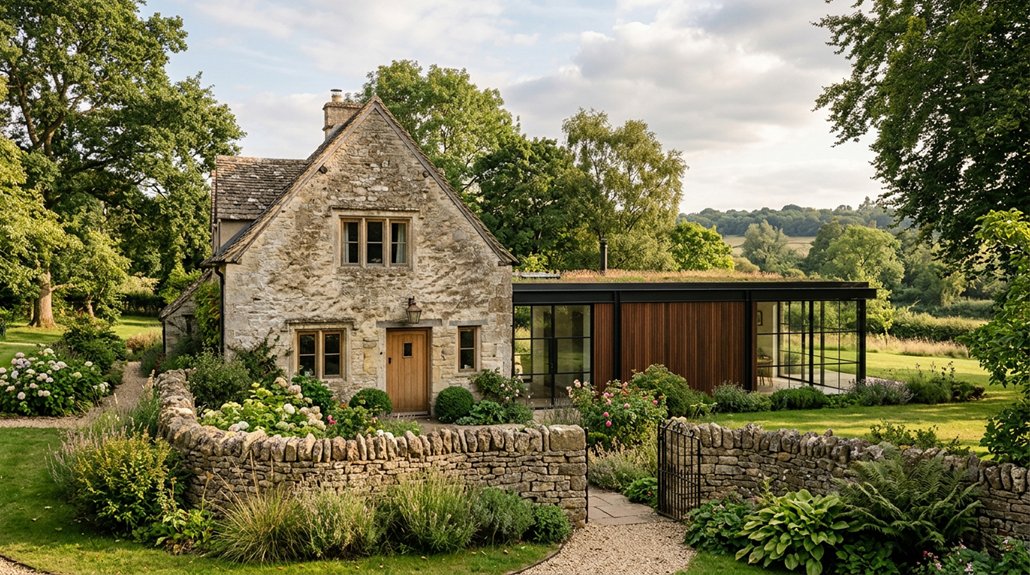
Stone cladding gives your home a durable exterior with the texture and tonal variation of natural stone. You can use it to complement traditional architecture or create contrast on a contemporary extension, while modern fixing systems help protect the finish from weathering. Its low maintenance needs and long service life can also support your property’s value. The key is choosing a style and installation that suit your building—starting with what stone cladding actually involves.
What Is Stone Cladding?
Stone cladding is a non-structural layer of natural or manufactured stone fixed to a building’s walls to provide a stone finish. It doesn’t support the structure; instead, it forms an outer finish over a suitable backing.
You can use full-bed masonry, which relies on thicker stone units, or thin veneer, which reduces weight and projection. Your installer must assess the wall, specify compatible fixings or mortar, and detail joints, corners, openings, and drainage to limit water penetration.
Historical influences explain why stone remains a familiar exterior material, but modern systems adapt its appearance to different construction methods.
Consider Environmental impact when selecting stone: quarrying, processing, transport, and installation all affect its footprint. Ask suppliers about sourcing, durability, maintenance needs, and product documentation before you choose a system for your project.
Stone Cladding Styles for Every Home
From crisp contemporary panels to rugged rubble masonry, stone cladding styles can suit a wide range of homes. Choose a finish that complements your property’s proportions, roofline, and surrounding materials.
Split-face stone adds texture and shadow, while sawn panels create a cleaner, more uniform surface.
For historical architecture, irregular stone or carefully matched coursing can reinforce traditional character without overwhelming original details.
Modern design often benefits from large-format panels, restrained colour palettes, and precise joints.
You can also combine stone with timber, render, or metal to define entrances and extension volumes.
Before selecting a profile, review sample panels in natural light and check how their colour and texture relate to existing masonry.
A qualified installer can advise on suitable fixing systems and detailing for your chosen format.
How Durable Is Stone Cladding?
Once you’ve chosen a style, assess how well it will withstand local weather and everyday wear. Natural stone resists impact, fire and ultraviolet exposure, but performance varies by type, thickness and installation.
Granite and slate generally tolerate freeze-thaw cycles better than softer, more porous stones. Ask your installer to specify suitable stone, fixings and a drained cavity for your site’s conditions.
Water ingress and movement can still cause cracking or staining, so inspect joints, flashings and drainage regularly. Stone maintenance usually involves gentle cleaning and prompt repairs; avoid harsh chemicals that may damage the surface or mortar.
Sealing may help porous stone, but only use a compatible product and follow the manufacturer’s schedule.
Consider Environmental impact, too: locally sourced stone can reduce transport emissions, while durable cladding may limit replacement over your home’s life.
Add Texture and Character With Stone Cladding
By varying stone size, colour and laying pattern, you can give a home or extension a distinct sense of depth and character. Choose split-face stone for pronounced relief, or sawn finishes for cleaner lines. Mixing coursed and irregular layouts changes the façade’s rhythm, while contrasting tones can highlight entrances or architectural features.
Consider how light will strike the surface: projecting edges create stronger shadows, and textured finishes can make subtle colour variations more visible. Natural aesthetics work best when the stone’s scale and pattern suit the building’s proportions, rather than compete with them.
Check sample panels in daylight before committing, since appearance shifts with weather and viewing angle. Include cost considerations early: intricate patterns, varied stone sizes and specialist installation can increase labour and material costs.
A restrained design can deliver impact without unnecessary complexity.
Plan a Stone-Clad Extension That Fits
A stone-clad extension should relate to the existing home in scale, roofline and opening proportions, while allowing the new work to read clearly as an addition. Match stone colour and texture carefully, but don’t imitate historic details without purpose. Set out wall ties, cavity drainage, insulation and movement joints to suit the chosen veneer and exposure.
Check planning rules, boundary limits and foundation capacity before fixing the design. Budget considerations should cover stone supply, skilled installation, structural work, access and waste, not just the cladding rate.
Request samples and confirm coursing, corner treatment and sill details with your contractor before ordering.
Plan Landscaping integration alongside the build: protect mature trees, manage surface water and coordinate paths, levels and planting with the new walls. These checks help you control costs and achieve a coherent, durable extension.
Frequently Asked Questions
Does Stone Cladding Require Planning Permission?
Stone cladding doesn’t always require planning permission; rules vary by location and project. Check local regulations before work, especially in protected areas. Historical preservation requirements may apply, while Material durability won’t exempt you from approval requirements.
How Much Does Stone Cladding Typically Cost?
You’ll typically pay £50–£150 per square metre for stone cladding, excluding installation. Cost comparison depends on Material options, stone type, thickness, and fixing system; request itemised quotes to compare supply, labour, preparation, and access costs accurately.
Can Stone Cladding Improve a Home’s Energy Efficiency?
Yes, stone cladding can improve your home’s energy efficiency when installed within a properly designed insulated wall system. Its Insulation benefits depend on backing materials and airtightness; assess environmental impact, moisture control, and thermal bridging before installation.
How Do You Clean and Maintain Stone Cladding?
Your stone façade shouldn’t wear grime like a badge of honor. Cleaning techniques: rinse gently, then scrub with a soft brush and pH-neutral cleaner. Maintenance tips: inspect joints, remove growth promptly, and avoid acids or pressure washers.
Can Stone Cladding Be Installed Over Existing Walls?
Yes, you can install stone cladding over existing walls if they’re sound, clean, and structurally suitable. Check load capacity, moisture protection, and fixing requirements; proper preparation preserves Stone cladding durability and aesthetic versatility.
Leave a Reply