

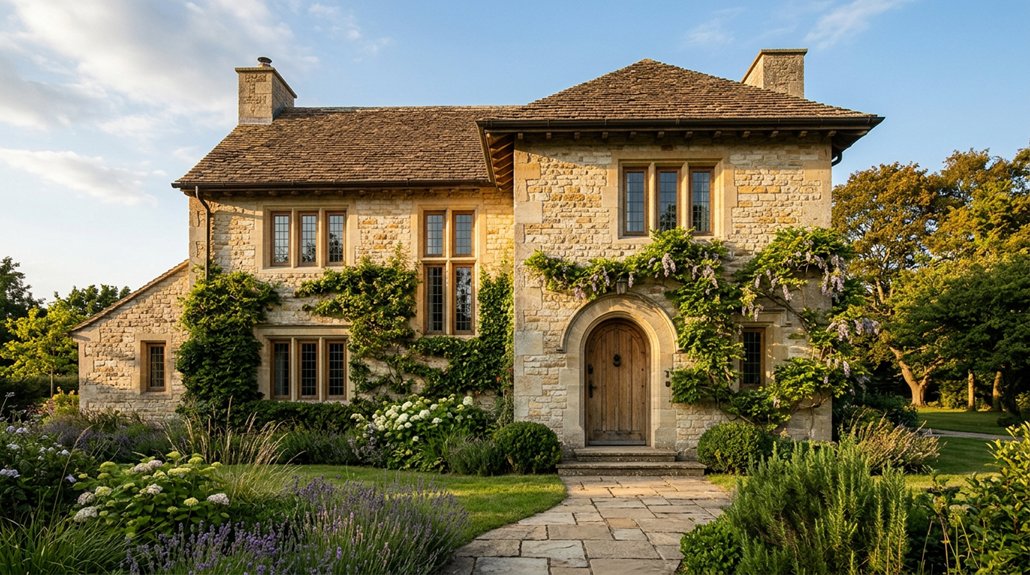
Natural stone pairs ancient character with modern performance, giving you a building material that’s both distinctive and durable. Its resistance to weather, wear, and fire can reduce maintenance, while its thermal mass may support energy efficiency. But performance depends on choosing the right stone and installing it correctly. Your project’s exposure, structural demands, and finish all matter—and one overlooked detail can undermine the result.
What Are the Benefits of Natural Stone?
Natural stone offers exceptional durability, resisting wear, weather, and fire when you choose a type suited to its application. You can also benefit from its long service life: properly installed stone often needs fewer replacements than short-lived materials, reducing maintenance and lifecycle costs.
Stone’s natural variation gives your building distinctive texture and color without synthetic finishes. Its thermal mass can moderate indoor temperature swings when integrated into an appropriate design, supporting energy efficiency.
You’ll also draw on historical significance: stone has served as a structural and architectural material across centuries, and its enduring presence can strengthen a property’s visual character.
Environmental impact depends on quarrying, transport, and processing. You can limit it by sourcing locally, selecting responsibly extracted stone, and reusing salvaged material.
Stone’s durability and recyclability can further reduce waste over a building’s lifespan.
Which Natural Stone Suits Your Project?
Choosing the right stone starts with matching its properties to the project’s structural, environmental, and aesthetic demands. First, assess compressive strength, porosity, density, and abrasion resistance against expected loads and exposure.
Granite offers high strength and low absorption, while limestone and sandstone vary more in porosity and durability. Marble provides distinctive veining but may require more maintenance in acidic or heavily exposed conditions.
Your climate matters: freeze-thaw cycles can damage porous stone, and salt exposure can accelerate deterioration. Confirm test data and maintenance requirements before selecting a material.
Then compare Texture options and Color variations to establish the desired visual character. A honed finish reduces sheen; a polished surface emphasizes veining and color.
Review samples in the project’s actual lighting, since natural stone varies between pieces. Specify acceptable variation, dimensions, and finish with your supplier. You’ll make a reliable choice.
Where Can You Use Natural Stone?
Once you’ve selected a stone for its performance and appearance, match it to the areas where it can meet the project’s demands. You can use dense, weather-resistant stone for exterior cladding, paving, retaining walls, and steps, where exposure and wear require durability.
Indoors, stone suits floors, wall panels, countertops, fireplaces, and stair treads; choose finishes and stone types that meet slip-resistance, maintenance, and load requirements. Use lighter, workable varieties for carved details or decorative features, and reserve structurally suitable stone for load-bearing applications.
Consider Historical applications when you want a material that complements a building’s original character or regional construction traditions. Cultural symbolism can also inform choices for memorials, civic spaces, and places of worship.
What Are the Basics of Stone Installation?
Before setting stone, confirm that the substrate, support, and installation method suit the stone’s weight, dimensions, and intended use. Check that the base is stable, clean, and level; correct defects before proceeding. Your layout should account for joint widths, edges, openings, and transitions.
- Prepare the pieces: Stone cutting requires suitable blades, accurate measurements, and controlled handling. Dry-fit stones first to verify alignment and minimize unnecessary cuts.
- Choose the binder: Mortar selection depends on stone type, exposure, substrate, and joint design. Follow product specifications for mixing, application thickness, and working time.
- Set and align: Apply mortar evenly, place each stone firmly, and maintain consistent joints. Use a level and straightedge to check alignment as you work; remove excess mortar before it hardens.
Allow the assembly to cure under the conditions specified by the mortar manufacturer.
How Do You Maintain Natural Stone?
To maintain natural stone, match cleaning and protection methods to the stone type, finish, and exposure. Use pH-neutral cleaners and soft cloths or brushes; acidic products can etch marble and limestone, while abrasive pads may scratch polished surfaces.
Cleaning methods should also account for the stone’s location: remove spills promptly indoors, and clear grit, leaves, and standing water from exterior surfaces.
Sealing techniques depend on porosity and use. Test absorbency before applying a compatible impregnating sealer, following the manufacturer’s instructions and allowing the specified cure time.
A sealer can reduce staining, but it won’t make stone stainproof or prevent etching. Reapply it when water no longer beads or the surface absorbs moisture quickly.
Inspect joints, edges, and drainage regularly; repair failed sealant and correct water pooling promptly. Avoid deicing salts where they may damage stone or adjacent mortar.
Frequently Asked Questions
Is Natural Stone Environmentally Sustainable?
Natural stone can be environmentally sustainable when you source it responsibly. Choose suppliers using Eco friendly quarrying, minimize transport, and apply biodegradable sealants. Its durability reduces replacement, though extraction still affects local ecosystems and landscapes.
How Does Natural Stone Affect a Property’s Resale Value?
Natural stone can raise your resale value: like a polished cornerstone, it signals quality. Its Luxury appeal attracts buyers, while Maintenance considerations matter; you’ll protect returns by choosing durable stone and documenting proper care.
Can Natural Stone Be Recycled or Reused?
Yes, you can reuse natural stone in new construction or landscaping, and recycle it as aggregate. Your Stone sourcing choices and Recycling methods determine whether salvaged pieces retain structural value or serve as durable fill.
Does Natural Stone Vary in Color Between Batches?
Yes—natural stone’s color can shift between batches, like brushstrokes in a geological canvas. For stronger Color consistency, you should order enough material together; Batch variation reflects differences in quarry location, mineral content, and stone selection.
How Does Natural Stone Perform in Extreme Weather?
Natural stone offers strong Weather resilience and Thermal stability, helping your installation withstand temperature swings, wind, and precipitation. Choose a suitable stone and finish for your climate, and guarantee proper drainage and installation to limit damage.
Leave a Reply