

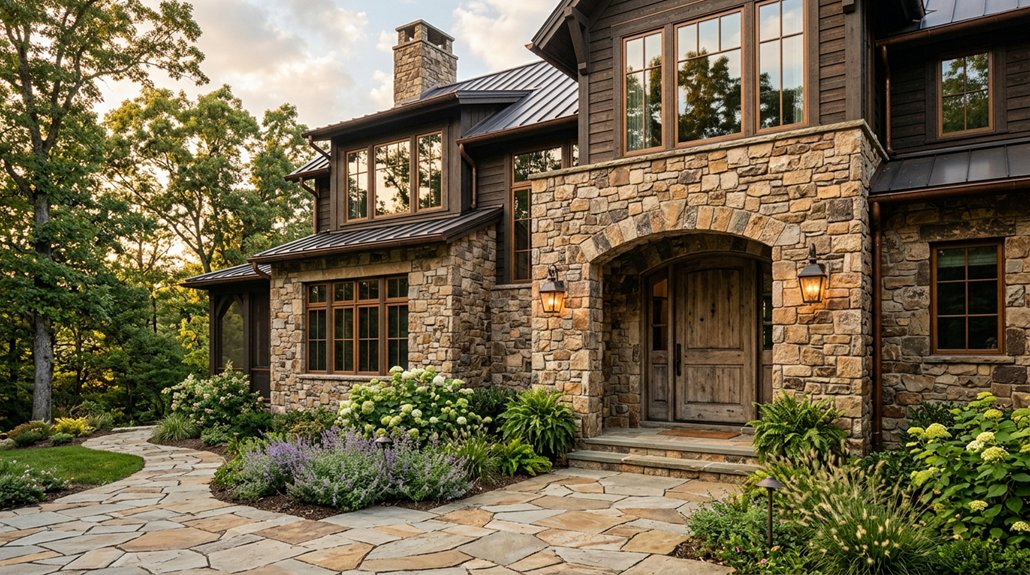
Stone masonry can give your property a distinctive, lasting finish while adding durability to walls, chimneys, and pathways. The right stone and installation style can complement your home’s architecture, strengthen curb appeal, and appeal to future buyers. But the benefits depend on where you use it, how you maintain it, and what the project costs—so it’s worth weighing those factors before choosing a design or contractor.
What Is Stone Masonry, and Why Choose It?
Stone masonry is the craft of building or facing structures with natural or manufactured stone, joined with mortar or fitted together without it. You can use it for walls, foundations, fireplaces, and exterior cladding.
Depending on the design and stone, masons cut, shape, and lay units to transfer loads, resist weather, and create a durable finish. Mortar can bind stones and seal joints; dry-laid work relies on careful fitting and gravity.
Its historical significance spans buildings that have endured for centuries, showing how skilled construction can outlast many materials. Today, you can choose stone for longevity, low maintenance, and strong visual character.
Material versatility lets you match performance needs with different stone types, finishes, and installation methods. Consider weight, drainage, local climate, and structural support before selecting stone for your project.
Which Stone Masonry Styles Suit Your Home?
Once you’ve weighed stone’s durability, upkeep, and structural demands, choose a masonry style that fits your home’s architecture and site conditions. Match stone size, finish, and joint profile to the building’s proportions; inconsistent detailing can make an addition look disconnected.
Historical styles often use irregular rubble, coursed ashlar, or carefully dressed blocks, while Modern adaptations pair clean lines with precise cuts and restrained mortar joints.
Compare these three approaches before specifying materials:
- Rubble masonry: Varied stone shapes create a textured, informal appearance; skilled fitting controls stability.
- Ashlar masonry: Uniform, squared blocks produce crisp courses and a formal finish, but require accurate cutting.
- Dry-stack veneer: Tight-fitting stones conceal mortar for a layered look; use engineered backing and anchorage.
Ask your mason for samples and a joint mock-up, then confirm stone thickness, detailing, and structural support before installation.
Where Does Stone Masonry Work Best?
Stone masonry works well on exterior walls and facades, where it can protect surfaces and define your home’s character.
You can also use it for garden walls and patios, but choose stone suited to local weather and drainage conditions.
At fireplaces and entryways, stone adds durability and visual weight where you’ll notice it most.
Exterior Walls and Facades
Where does stone masonry perform best on a home’s exterior? Exterior walls and facades provide broad, visible surfaces where you can use stone to define architectural character and protect vulnerable areas. Natural textures add depth, while careful stone selection can improve aesthetic appeal without overwhelming the design.
Consider these three applications:
- Full-height facades: Use durable stone across the exterior for a cohesive finish. Confirm that the wall assembly supports the added weight and manages moisture.
- Entry surrounds: Frame your front door with stone to create a focal point. Coordinate coursing, joints, and trim with the home’s proportions.
- Accent sections: Apply stone to a gable, chimney, or lower wall to add contrast while controlling cost.
Choose compatible mortar and install flashing, drainage, and expansion joints as specified. These details help prevent water damage and cracking.
Garden Walls and Patios
In outdoor living areas, stone masonry works best where you need durable boundaries or hard-wearing surfaces. A well-built garden wall can retain sloped soil, define planting beds, or screen a seating area. Choose stone suited to your climate, and ensure the footing and drainage match the wall’s height and soil conditions. These details help prevent movement and water pressure from damaging the structure.
For patios, stone paving handles regular foot traffic and creates a stable surface for outdoor furniture. Your patio design should account for slope, runoff, and joint spacing to limit pooling and shifting.
Select a finish with suitable slip resistance, especially near pools or in shaded areas. Coordinate stone color and texture with nearby planting and hardscape elements.
Thoughtful garden design links walls and paving into a cohesive, functional outdoor space.
Fireplaces and Entryways
Because fireplaces face repeated heat and soot, choose masonry materials rated for those conditions and pair them with a properly designed firebox and flue. You’ll protect nearby stone from thermal stress by maintaining required clearances and using compatible mortar.
For entryways, select dense, weather-resistant stone that suits your climate; secure lintels and veneer with engineered supports, flashing, and drainage to limit water intrusion.
Use stone where it can deliver both performance and visual impact:
- Frame a fireplace with noncombustible stone, keeping joints tight and surfaces easy to inspect.
- Highlight an entry with durable steps, jambs, or an arch that withstands traffic and freeze-thaw cycles.
- Add interior accents around hearths or door surrounds; match profiles and materials during historical restoration.
You’ll gain lasting character when detailing, installation, and maintenance suit each location.
How Durable Is Stone Masonry, and What Upkeep Does It Need?
Stone masonry can last for generations when you choose suitable stone and sound construction methods.
To protect its durability, inspect joints and drainage periodically for cracks, moisture, or mortar loss.
Clean with methods suited to the stone, and repair damage before water intrusion worsens it.
Long-Term Durability
Built to withstand decades of weather and use, stone masonry can last for generations when it’s properly designed and maintained. Its durability depends on sound foundations, compatible mortar, effective drainage, and stone suited to local conditions. Freeze-thaw cycles, salt exposure, and building movement can weaken joints or crack units, so thoughtful design matters.
For lasting performance, consider three factors:
- Stone selection: Match porosity and strength to climate and exposure.
- Mortar compatibility: Use mortar that accommodates movement without damaging softer stone.
- Water management: Direct runoff away from walls and prevent moisture from becoming trapped.
These choices support Historical preservation by protecting original fabric and reduce Environmental impact by extending service life and limiting replacement materials.
With proper construction, you’ll gain a resilient exterior that retains its character and structural value over time. Have a qualified mason assess significant damage promptly.
Routine Upkeep
Even durable stone masonry needs routine care to keep water out and joints sound. Inspect your walls each spring and fall for open joints, loose stones, cracks, and damp patches.
Clear gutters and downspouts so runoff doesn’t saturate the masonry, and keep soil, mulch, and sprinklers from directing moisture toward the base.
Trim plants as part of landscaping integration; vines and dense growth can trap water and conceal damage.
Repoint failed joints with mortar matched to the stone’s strength and permeability. Hard, incompatible mortar can damage softer masonry, so consult a mason before repairs, especially on older structures.
Avoid pressure washing, acidic cleaners, and sealers that block vapor movement.
For historical restoration, document existing materials and use compatible repair methods.
With prompt, careful maintenance, you’ll limit water damage, preserve appearance, and extend your masonry’s service life.
How Much Does Stone Masonry Cost?
Stone masonry costs vary widely, so a project’s price depends on the stone type, installation method, site conditions, and scope of work. Your estimate may include materials, skilled labor, mortar, equipment, access, and disposal.
Natural stone often costs more to source and shape than manufactured veneer, while intricate patterns require additional labor. Compare itemized quotes to make a practical cost analysis, not just a price comparison.
For effective budgeting tips, ask contractors to specify allowances, exclusions, and potential charges for repairs or difficult access. Confirm whether permits, drainage improvements, and structural reinforcement are included.
You can control costs by defining the project clearly and choosing materials suited to your design and site.
- Set a firm budget before requesting bids.
- Compare equivalent materials and installation scopes.
- Reserve a contingency for unforeseen site conditions.
Can Stone Masonry Improve Curb Appeal and Resale Value?
Beyond the initial cost, stone masonry can strengthen a home’s curb appeal and support its resale value when the design suits the property and the work is well executed. A stone veneer, entry path, retaining wall, or chimney can add texture and visual weight while complementing your home’s scale and existing materials.
Coordinate color, coursing, and joint profiles to reinforce architectural aesthetics rather than compete with them. Thoughtful landscape enhancement, such as stone edging or steps, can connect the façade to the yard and create a cohesive first impression.
Durable masonry may also appeal to buyers because it resists weathering and requires less frequent replacement than some finishes. However, resale gains aren’t guaranteed; local preferences, installation quality, and maintenance all matter.
Choose improvements that fit your property and neighborhood.
How Do You Choose a Stone Masonry Contractor?
Because masonry work depends on sound preparation and precise installation, choose a contractor with proven experience in the type of project you’re planning. When choosing contractors, compare their technical approach, not just their estimates. Ask how they’ll assess the substrate, manage drainage, select compatible mortar, and protect adjacent surfaces. Verify that their methods suit your stone and local climate.
Before you sign, focus on three checks:
- Review completed projects similar in scale and material; inspect joints, alignment, and finish quality.
- Check references, insurance, licensing where required, and experience verifying credentials through relevant trade organizations.
- Request a written scope covering materials, site preparation, structural details, schedule, cleanup, warranty, and payment milestones.
A qualified mason will explain risks and specifications clearly. If answers remain vague, keep looking; sound workmanship protects your investment and prevents costly repairs.
Frequently Asked Questions
Can Stone Masonry Be Installed Over Existing Siding?
Yes, you can install stone masonry over existing siding, but only if the wall supports its weight and meets moisture-control requirements. For Historical authenticity or Modern applications, remove unsuitable siding and follow engineered attachment specifications.
How Long Does a Typical Stone Masonry Installation Take?
Your stonework timeline can stretch like a mason’s measuring line: expect several days to a few weeks, depending on project size, site preparation, weather, Historical techniques, and curing needs that protect Material durability.
Do I Need a Permit for a Stone Masonry Project?
You may need a permit for stone masonry, depending on your project’s scope and local building codes. Contact your building department before starting; they’ll explain the permit process, required documents, inspections, and applicable fees.
Can Stone Masonry Be Used Indoors?
Yes, you can use stone masonry indoors; natural stone can last for centuries when properly installed. Add Interior accents or Decorative fireplaces, but check floor load capacity, moisture conditions, and ventilation before choosing materials or beginning installation.
Is Manufactured Stone Masonry Environmentally Friendly?
Manufactured stone masonry can be environmentally friendly, but its impact depends on production and transport. Choose products made with recycled content, Eco friendly materials, and sustainable practices; you’ll reduce resource use and emissions.
Leave a Reply